Austin Texas Air Quality Challenges: What Homeowners Need to Know About Climate, Allergies, and HVAC
From ground-level ozone on scorching summer days to cedar pollen that blankets Central Texas every winter, Austin homeowners face unique indoor air quality threats that most people overlook until their health and comfort are already compromised.
Is Your Home Ready for Austin’s Next Allergy Season?
With cedar season and summer ozone alerts on the horizon, Austin homeowners are booking duct cleaning appointments fast. Protect your family’s indoor air before the next wave hits.
Table of Contents
- Why Austin Faces Unique Air Quality Challenges
- What Is Ground-Level Ozone and Why Should You Care?
- A Scenario Many Austin Homeowners Recognize
- How Outdoor Pollutants End Up Inside Your Home
- Comparing Austin Air Quality Triggers by Season
- Does Cedar Fever Really Affect Indoor Air Quality?
- The Mistake of Ignoring Your HVAC Filter Schedule
- How Texas Heat Creates Specific HVAC Problems
- Upgrading Filtration: What MERV Ratings Mean
- When Recirculate Mode Becomes Your Best Defense
- Why Duct Leaks Make Air Quality Challenges Worse
- Checking Beyond the Ducts: Dryer Vents and Safety
- Practical Steps Austin Residents Can Take Today
- Frequently Asked Questions
Why Austin Faces Unique Air Quality Challenges
Austin sits in a geographic and climatic zone that creates specific conditions for air quality issues. The combination of intense sun exposure, prolonged summer heat, growing vehicle traffic, and regional dust contributes to elevated levels of pollutants during certain times of year. Unlike coastal cities where ocean breezes help disperse contaminants, Central Texas often experiences calm, stagnant conditions that allow pollutants to concentrate near ground level. According to the City of Austin’s air quality overview, ground-level ozone remains one of the primary concerns for the region, especially during the warmer months when the chemical reactions that produce ozone are most active.
The Austin-Georgetown-Round Rock metropolitan area has seen an increase in Ozone Action Day alerts in recent years. The Capital Area Council of Governments (CAPCOG) documented that the region experienced significantly more ozone action days compared to previous years, driven largely by hotter summers and weather patterns that trap pollutants closer to the surface. For homeowners, these alerts signal days when the air your HVAC system pulls in from outside carries a heavier load of contaminants.
What Is Ground-Level Ozone and Why Should Austin Residents Care?
Ground-level ozone forms when nitrogen oxides and volatile organic compounds react in the presence of heat and sunlight. Unlike the protective ozone layer high in the atmosphere, ground-level ozone is a respiratory irritant. Austin’s long, hot summers provide the perfect recipe for ozone formation. On days when temperatures climb above 95°F with little wind movement, ozone levels can rise into ranges that are unhealthy for sensitive groups. Children, older adults, individuals with asthma or chronic lung conditions, and people who work or exercise outdoors are particularly vulnerable. Even healthy adults may notice throat irritation or reduced lung function during high-ozone days.
Did You Know?
The Austin metro area has experienced a measurable increase in Ozone Action Days over recent years, with CAPCOG reporting that hotter summers and stagnant weather patterns are trapping more pollutants near ground level. Every one of those high-ozone days means your HVAC system is pulling contaminated air into your home and through your ductwork.
A Scenario Many Austin Homeowners Recognize

Picture this situation. You keep your home reasonably clean, vacuum regularly, and change your HVAC filter when you remember to. Yet every time the system kicks on, you notice a thin layer of dust settling on furniture within hours. Some rooms feel stuffier than others. During allergy season, symptoms seem worse inside the house than outside. Your energy bill creeps up even though you haven’t changed your thermostat settings.
These are not random annoyances. They are signs that outdoor air quality challenges in Austin are finding their way into your home through your ventilation system, and your HVAC may be struggling to keep up.
How Do Outdoor Pollutants End Up Inside Your Home?
Many Austin homeowners assume that closing windows and running the AC creates a sealed, clean environment. In reality, your HVAC system constantly exchanges air, and pollutants enter through gaps around doors, windows, ductwork connections, and the system’s own intake. Fine particulate matter, known as PM2.5, is especially problematic because these particles are small enough to bypass basic filtration and penetrate deep into the respiratory system. The EPA identifies PM2.5 as a significant health concern linked to respiratory and cardiovascular effects, particularly for children, seniors, and individuals with pre-existing conditions.
During wildfire events in neighboring regions or high-dust days, the concentration of outdoor particles entering the home can spike dramatically. Even without extreme events, the daily accumulation of pollen, road dust, and urban particulates means your ductwork gradually collects debris that recirculates every time your system runs.
Comparing Common Austin Air Quality Triggers by Season
| Season | Primary Air Quality Trigger | Impact on Indoor Air | HVAC Consideration |
|---|---|---|---|
| Winter (Dec–Feb) | Cedar pollen (Mountain Cedar) | Allergens circulate through vents, triggering “Cedar Fever” symptoms indoors | Filter changes needed more frequently; duct cleaning removes trapped pollen |
| Spring (Mar–May) | Oak pollen, ragweed, grass pollen | Multiple allergens accumulate in ducts and on return vents | High-efficiency filters help capture finer particles |
| Summer (Jun–Sep) | Ground-level ozone, PM2.5, extreme heat | System runs continuously, pulling in more outdoor contaminants | Increased runtime strains filters and ductwork; maintenance is critical |
| Fall (Oct–Nov) | Ragweed, mold spores, dust | Transitional weather and mold growth introduce new contaminants | Pre-season inspection prepares system for winter allergen load |
This table illustrates why Austin’s air quality challenges are not limited to a single season. Each period of the year brings a different set of pollutants that affect both outdoor air and what circulates through your home.
Does Cedar Fever Really Affect Indoor Air Quality?
Cedar Fever is one of Austin’s most notorious seasonal challenges. The term refers to the intense allergic reaction many residents experience when Ashe Juniper trees release massive amounts of pollen, typically between December and February. The City of Austin has issued public advisories urging residents to take precautions during peak cedar season. What many homeowners don’t realize is that cedar pollen doesn’t stay outside. It enters the home on clothing, shoes, pets, and through the HVAC system’s air intake. Once inside the ductwork, pollen particles can recirculate for weeks or even months, continuing to trigger symptoms long after outdoor counts have dropped.
For families dealing with persistent allergy symptoms that seem worse indoors, this duct-trapped pollen is often a contributing factor. Investing in professional air duct cleaning services during or after cedar season can help remove the accumulated allergens and give your indoor air a fresh start. Nonstop Air Duct Cleaning Austin provides thorough duct cleaning that targets the buildup typical of Central Texas allergy seasons, helping reduce the allergen load your family breathes every day.
The Mistake of Ignoring Your HVAC Filter Schedule in Austin’s Climate
One of the most common and costly mistakes Austin homeowners make is treating filter replacement as an occasional chore rather than a critical maintenance task. In a mild climate, changing your filter every 90 days might be sufficient. In Central Texas, where your system may run 12 to 16 hours a day during peak summer and pollen counts rank among the highest in the country, that timeline is far too generous. The U.S. Department of Energy recommends checking and replacing filters monthly or every two months during heavy-use seasons, noting that a clogged filter restricts airflow and forces the system to work harder.
When airflow is restricted, the system doesn’t just consume more energy. It also fails to effectively filter the air, allowing more dust, pollen, and particulate matter to pass through or settle in the ductwork. Over time, this creates a compounding problem: dirty ducts feed dirty air back into your rooms, which then circulates through a struggling filter, which clogs even faster. Breaking this cycle requires both consistent filter maintenance and periodic professional duct cleaning.
How Does Texas Heat Create Specific HVAC Problems?
Austin summers routinely bring stretches of 100°F-plus days, and your HVAC system bears the brunt. Extended runtime during extreme heat doesn’t just increase your electricity bill. It accelerates wear on components, dries out seals, and exposes weaknesses in ductwork that might go unnoticed during milder weather. Leaky ducts in an unconditioned attic, for example, can pull superheated air and dust directly into your supply stream. In a Texas summer, attic temperatures can reach 140°F or higher, meaning even small duct gaps create significant efficiency losses and air quality problems.
Nonstop Air Duct Cleaning Austin helps homeowners identify these issues through professional inspection and cleaning. When the team examines your duct system, they can spot signs of leakage, deterioration, or buildup that contribute to both higher energy costs and reduced indoor air quality. Addressing these issues before peak summer or during routine maintenance helps your system perform more efficiently when you need it most.
Don’t Wait Until Your HVAC Is Already Struggling
Austin homeowners who schedule duct cleaning and inspection before peak summer save money on energy bills and breathe cleaner air all season. Over 500 local families trust Nonstop Air Duct Cleaning Austin to keep their systems running right.
Upgrading Filtration: What MERV Ratings Mean for Austin Homes
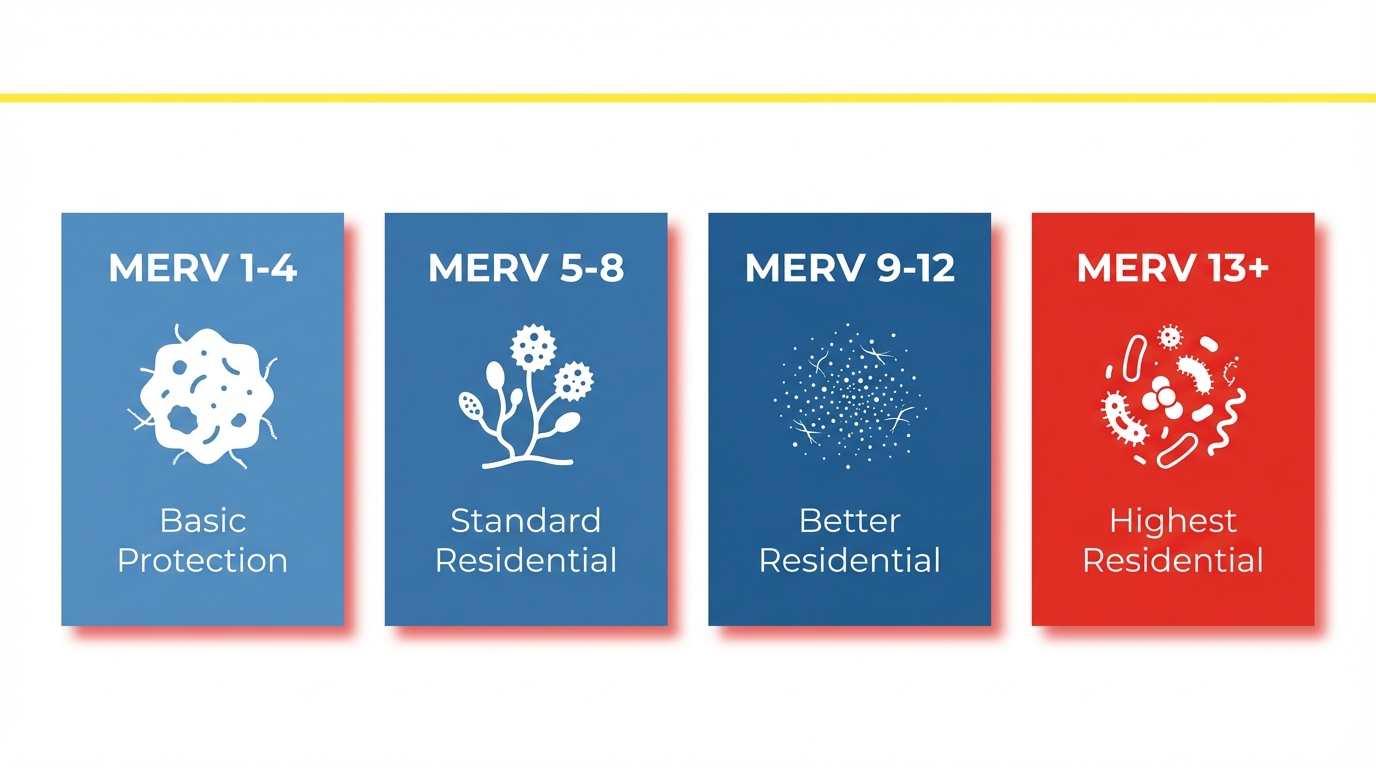
| MERV Rating | What It Captures | Best For |
|---|---|---|
| MERV 1–4 | Large dust particles, pollen clusters | Basic protection; minimal allergen control |
| MERV 5–8 | Mold spores, dust mite debris, pet dander | Standard residential use; moderate allergen reduction |
| MERV 9–12 | Fine dust, legionella, auto emissions | Better residential filtration; improved comfort |
| MERV 13+ | Bacteria, tobacco smoke, fine PM2.5 particles | Highest residential filtration; recommended by EPA for homes that can support it |
The EPA’s guidance on air cleaners and filtration recommends using the highest-efficiency filter your HVAC system can accommodate without restricting airflow. For many Austin homes, a MERV 13 filter represents a meaningful upgrade over the basic options that come standard with most systems. A filter that’s too restrictive for your blower motor can cause more harm than good, so verifying compatibility is essential. During a professional duct inspection, the Nonstop Air Duct Cleaning Austin team can advise on the right filtration level for your specific setup.
When Recirculate Mode Becomes Your Best Defense
Most Austin homeowners rarely think about their HVAC system’s recirculate setting. But on days when outdoor air quality is poor — whether due to high ozone, wildfire smoke drift from West Texas or neighboring states, or elevated pollen counts — switching to recirculate mode can significantly reduce the amount of outdoor contaminants entering your home. The EPA recommends this approach specifically during wildfire smoke events, noting that recirculating indoor air through the system’s filter is more effective than drawing in fresh but polluted outdoor air. For this strategy to work, both the filter and the ductwork need to be clean. Recirculating air through dirty ducts simply redistributes existing contaminants.
Why Duct Leaks Make Austin Air Quality Challenges Worse
Duct leaks are one of the most overlooked contributors to indoor air quality problems in Austin homes. When supply or return ducts develop gaps, cracks, or disconnected joints — particularly in unconditioned spaces like attics and crawlspaces — they create pathways for unfiltered air to enter the system. In Central Texas, this means hot, dusty, pollen-laden attic air mixing directly with your conditioned supply air. The result is reduced cooling efficiency, increased dust throughout the home, and higher allergen levels that no amount of filter changing will fully resolve.
Professional duct sealing and repair addresses these hidden entry points. For homeowners who notice persistent dust despite regular cleaning, uneven temperatures between rooms, or higher-than-expected energy bills, a duct inspection is a practical diagnostic step.
Checking Beyond the Ducts: Dryer Vents and Whole-Home Safety
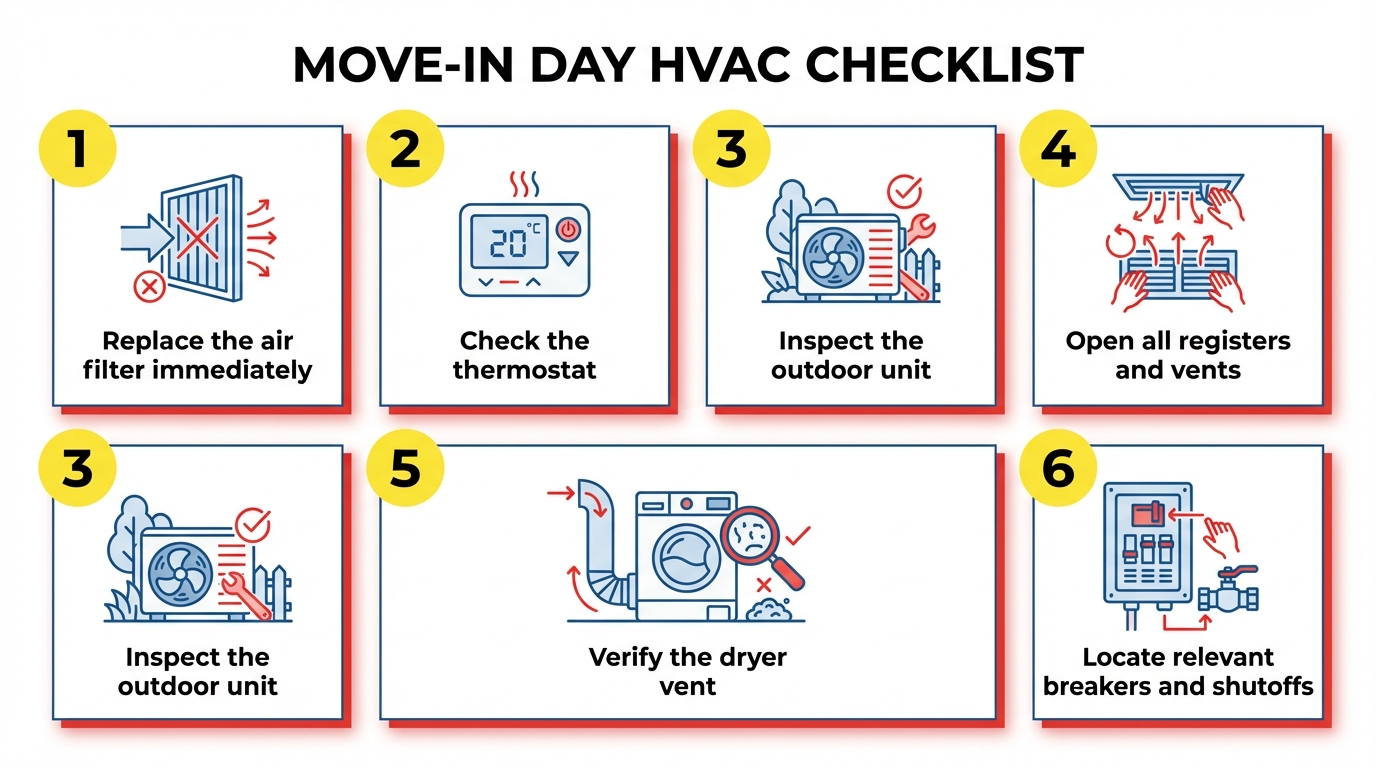
While air duct cleaning addresses the main ventilation system, there’s another component many homeowners overlook: the dryer vent. A clogged dryer vent doesn’t just make your dryer less efficient; it creates a potential fire hazard and can push lint particles and moisture into areas of the home that affect overall air quality. In a climate where HVAC systems already work overtime, maintaining clear dryer vent pathways is an important piece of whole-home air management. Nonstop Air Duct Cleaning Austin offers dryer vent cleaning alongside duct services, so homeowners can address both systems in a single visit.
Signs Your Dryer Vent Needs Attention
- Clothes take more than one cycle to fully dry
- The dryer exterior feels excessively hot during operation
- A musty or burning smell when the dryer runs
- Visible lint accumulation around the vent opening outside
- It has been more than 12 months since the vent was cleaned
Practical Steps Austin Residents Can Take Today
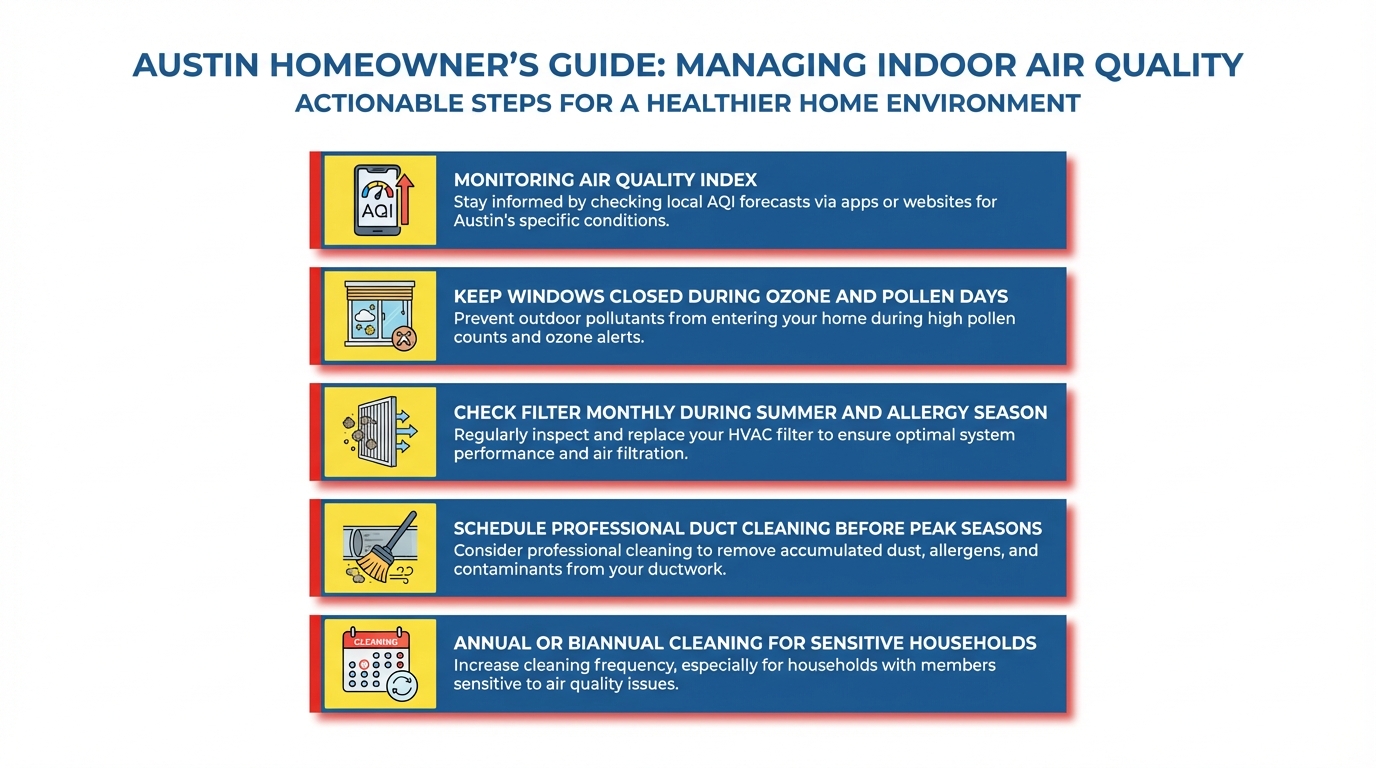
Managing indoor air quality in Austin is not a one-time project. It’s an ongoing practice shaped by the region’s climate and seasonal patterns. Monitoring the Air Quality Index before opening windows or planning outdoor activities helps you make informed decisions about when to keep the house sealed and the system running. Keeping doors and windows closed during Ozone Action Days and peak pollen periods reduces the allergen load entering your home. Checking your HVAC filter monthly during summer and allergy season ensures the system can operate efficiently when demand is highest.
Scheduling professional duct cleaning and inspection before the peak of summer or ahead of cedar season gives your system the best chance of performing well when conditions are most challenging. For homes with older ductwork, pets, or family members with respiratory sensitivities, annual or biannual professional cleaning offers meaningful benefits in terms of both air quality and system longevity.
Your Austin Indoor Air Quality Action Plan
- Monitor the Austin Air Quality Index daily during summer and allergy season
- Keep windows and doors closed during Ozone Action Days and peak pollen events
- Check and replace HVAC filters every 30 to 60 days during high-use periods
- Use recirculate mode during wildfire smoke events or high-pollen days
- Schedule professional duct cleaning before summer or cedar season
- Have ductwork inspected for leaks, especially in attic-routed systems
- Clean dryer vents annually to prevent fire hazards and air quality issues
- Consult with a professional about upgrading to a higher MERV-rated filter
| Homeowner Need | How Professional Duct Service Helps |
|---|---|
| Reducing indoor allergens during cedar and pollen seasons | Removes trapped pollen, dust, and debris from the duct system so it doesn’t recirculate |
| Improving airflow in rooms that feel stuffy or warm | Clears buildup that restricts air movement through supply and return ducts |
| Lowering energy costs during Texas summer heat | A cleaner system runs more efficiently, reducing strain on the blower and compressor |
| Identifying hidden duct leaks or damage | Professional inspection spots gaps, disconnections, and deterioration before they worsen |
| Maintaining a healthier environment for children or sensitive family members | Reduces the concentration of fine particles and biological contaminants in circulated air |
Frequently Asked Questions About Austin Air Quality and Indoor Air
Is Austin’s air quality actually bad compared to other Texas cities?
Austin generally has better air quality than Houston or Dallas-Fort Worth, but the region still faces seasonal ozone challenges and elevated pollen levels that affect indoor environments. The increase in Ozone Action Days shows the trend is moving in a concerning direction for Central Texas.
Can air duct cleaning really help with my allergies?
Professional duct cleaning removes accumulated pollen, dust, pet dander, and other debris from the ventilation system. While it is not a medical treatment, reducing the volume of allergens recirculating through your home can contribute to a more comfortable indoor environment, especially during peak allergy seasons.
How often should I change my HVAC filter in Austin?
During summer and allergy season, checking the filter monthly is recommended. Many Austin homeowners find they need to replace filters every 30 to 60 days during peak periods, rather than the 90-day interval often printed on the packaging.
Does wildfire smoke from other parts of Texas affect Austin’s indoor air?
Yes. Smoke particles from distant wildfires can travel hundreds of miles and affect Austin’s outdoor and indoor air quality. The EPA recommends using recirculate mode on your HVAC and ensuring your filter and ducts are clean during smoke events.
What is the best MERV rating for an Austin home?
MERV 13 is generally recommended by the EPA for homes whose systems can support it. The right rating depends on your specific HVAC setup. Using a filter that’s too restrictive can reduce airflow and damage the system, so consulting with a professional before upgrading is worth the time.
When is the best time to schedule duct cleaning in Austin?
Scheduling before summer heat or ahead of cedar season gives you the most benefit. Late spring and early fall are popular times because they allow the system to start peak demand periods with clean ductwork.
Contact Nonstop Air Duct Cleaning Austin
Your home’s air quality directly affects your family’s health and comfort. If dusty vents, allergy symptoms, or rising energy bills have you concerned, our team is ready to help with professional duct cleaning and inspection tailored to Austin’s unique climate challenges.